
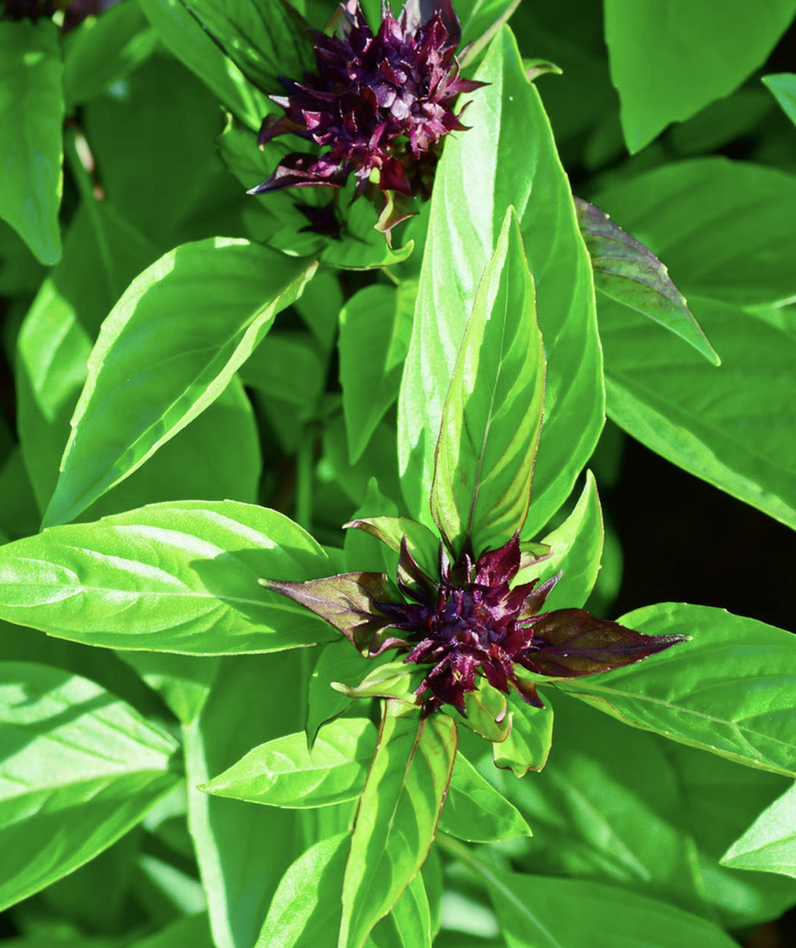
Ocimum tenuiflorum
Actions:
Antiviral, Anti-inflammatory, Antimicrobial, Hepatoprotective, Anti-Diabetic (Type 1), Nervine
Therapeutic Categories:
Stress, Blood sugar health, Fever, Immunity, Cardiovascular disease, Reduce inflammation, Lower cholesterol levels, Eye health, Headache, Oral hygiene, Prevents cancer, Promote wound healing, Reduces stress, Respiratory disease, Metabolic benefits, Boosts mental health, Earache, Fights Acne
Safety:
Pregnant and breastfeeding women, women who are trying to become pregnant, and people with type 2 diabetes, hypothyroidism, and those undergoing surgery should avoid holy basil. May decrease the efficacy of thyroid hormone drugs
Magical Uses:
luck, money, purification, banishment, love
Plant Parts Used: Leaves
Preparations: teas, tinctures
Energetics: Warming, dry
_______________________________________
Plant Identifiers: Leaves are green or purple; simple, petioled, with an ovate blade, slightly toothed margin; hairy stems
Also known as: Tulsi
Etymology: Every evening, Bengali Hindus place earthen lamps in front of tulsi plants. During the Kati Bihu festival celebrated in Assam, people light earthen lamps (diya) at the foot of the household tulsi plants and pray.
Chemical Constituents: tannins, flavonoids, eugenol, caryophyllenes, carvacrol, linalool, camphor, and cinnamyl acetate