
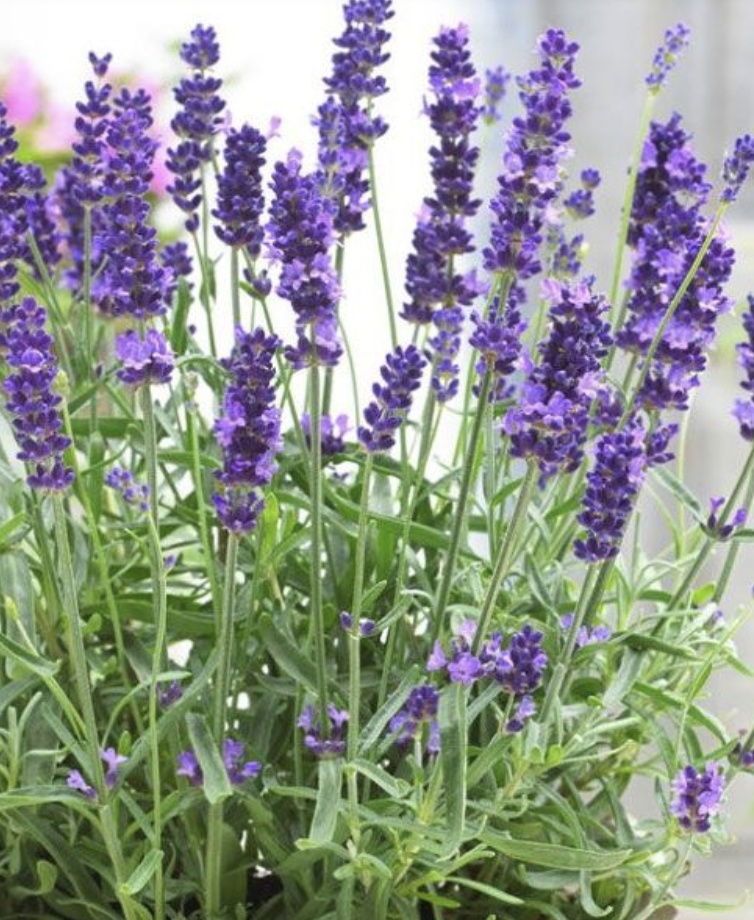
Lavendula
Actions:
Anti-bacterial: Analgesic; Antiseptic; Carminative; Circulatory stimulant; Cholagogue; Nervine; Spasmolytic; Antidepressant; Anti-rheumatic; Relaxant; Rubefacient; Sedative.
Therapeutic Categories:
Calming, nervous system support; Migranes/headaches; Help reduce nausea; Skin/bruises;
Safety:
Magical Uses:
Heart Chakra; Clarity, vision, love, protection, romance, calming, beauty, joy, boosts mood and memory, attraction, happiness, longevity, sleep, and healing.
Plant Parts Used: Flower, Leaf
Preparations: Used in teas, tinctures, essential oils, salves, poultice, baths, smudge
Energetics: Cooling; Drying
Notes: Bitter, pungent, sweet;
_____________________________________________________
Plant Identifiers: compact evergreen shrub with fragrant gray-green foliage and lavender flowers in summer. Soft coating on leaves, clusters of flowers on individual stems.
Also known as: lavender, true lavender and English lavender, garden lavender, common lavender and narrow-leaved lavender
Etymology: The species name angustifolia is Latin for “narrow leaf”. Previously, it was known as Lavandula officinalis, referring to its medicinal properties.
Chemical Constituents: Flavonoids; Tannins; Coumarins; Essential oil (up to 3%)-Aldehydes: 2% (including myrtenal, cuminal, citral, geranial, trans-hexanal) Esters: 40- 50% ( linalyl acetate, lavandulyl acetate, terpenyl acetate, geranyl acetate). Ketones: 4% (camphor, octanone, p-methyl-acetophenone) Oxides: 2% (1,8-cineole, linalol oxide, caryophyllene oxide). Monoterpenols: linalol, terpin-4 -ol, a -terpineol, borneol, geraniol, lavandulol Coumarins/ Lactones: herianin, coumarin, ombelliferone, santonin.