
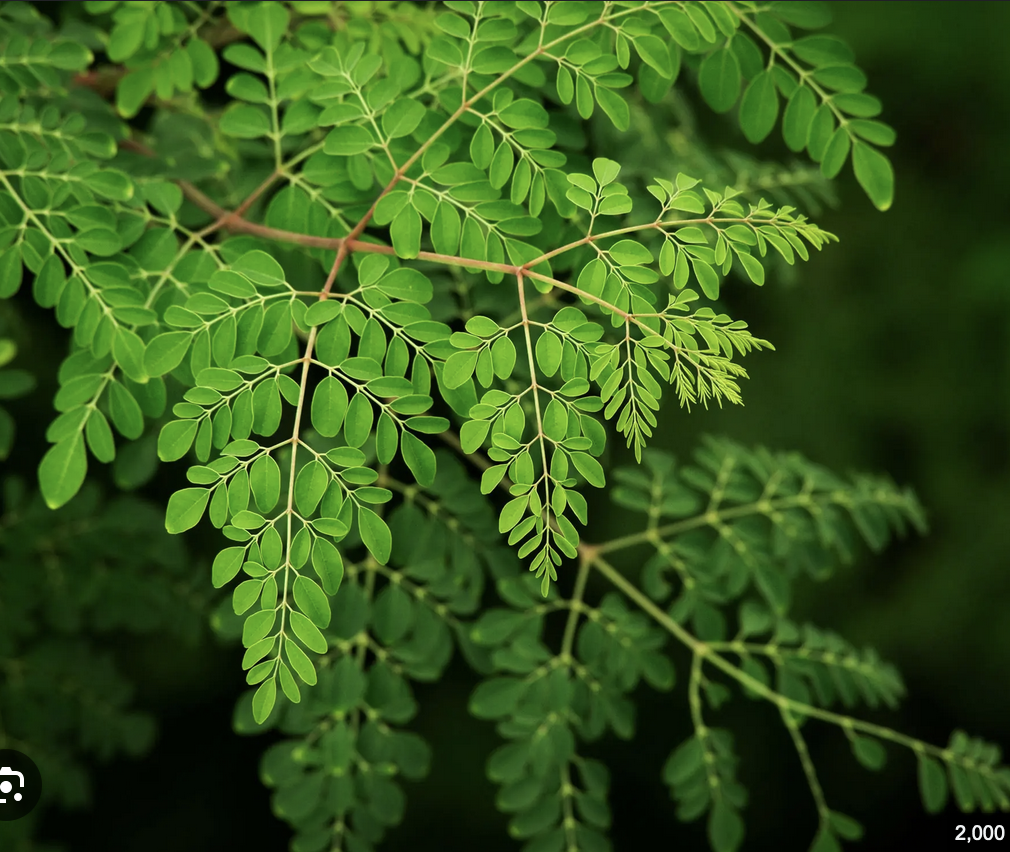
Moringa oleifera
Actions:
Nutritive, rubefacient; anti-hyperglycemic; antioxidant, analgesic, antiulcer, antihypertensive, abortifacient, anti-inflammatory, culinary (seeds, flowers & fruit pods)
Therapeutic Categories:
anemia, asthma, brain tonic, lower blood pressure, endocrine regulator, liver problems, strengthen the kidneys, promote circulation to the skin; bark, leaves, and roots have an acrid and pungent taste, and are taken to promote digestion
Safety:
Avoid during pregnancy and lactation, seed oil toxic if ingested
Magical Uses:
The seeds of the plant were used as a remedy for depression in ancient cultures, revered for their ability to give energy and overcome feelings of hopelessness. Helps build a heightened state of spirituality. It can also help boost your courage, strength, and beauty. Use it to dress candles for protection, health, or courage, or in your spells for a boost.
Plant Parts Used: leaves, seeds, bark, roots, sap, and flowers
Preparations: Poultice, tea, seed oil (topical only)
Energetics: dry
Notes:
ground moringa has a similar taste to matcha, ground leaves good subsitute food coloring
______________________________________________________
Plant Identifiers: Deciduous tree (33–39 ft). The bark has a whitish-gray color and is surrounded by thick cork. Young shoots have purplish or greenish-white, hairy bark. The tree has an open crown of drooping, fragile branches, and the leaves build up a feathery foliage of tripinnate leaves.
Also known as: A Horseradish tree, drumstick tree, tree of life, radish tree, arango
Etymology: The genus name Moringa derives from the Tamil word, murungai, meaning “twisted pod”, alluding to the young fruit. The specific name oleifera is derived from the Latin words oleum “oil” and ferre “to bear”
Chemical Constituents: flavonoids including myricetin, quercetin, kaempferol, isorhamnetin, or rutin, as well as phenolic acids Fresh leaves are a good source of carotenoids such as lutein, b-carotene, and zeaxanthin.